Signs You Need a New Roof in the Pacific Northwest
You likely need a new roof when problems are widespread or keep coming back: recurring leaks, curling or bald shingles across large areas, soft or sagging decking, water damage in the attic, thick moss that has lifted shingles, or a roof near the end of its lifespan. A single leak or a few missing shingles on a younger roof usually points to a repair instead. A professional inspection that includes the attic is the surest way to tell the difference.
Why Roofs Wear Out Faster in Portland and Seattle
The problem here is how long a roof stays wet. Sea-Tac Airport records measurable rain on about 156 days a year, and about three quarters of the year’s rain in both Portland and Seattle falls from October through March (NOAA 1991 to 2020 normals). Shade from trees and cool temperatures add to it, creating ideal conditions for moss, algae and trapped moisture. Common causes of wear here include:
- Long wet seasons with little drying time between storms
- Moss and algae growing on shingles
- Wind-driven rain damaging flashing and vents
- Moisture seeping into aging underlayment
Because of this, small roofing problems can grow quickly, and some of the damage isn’t visible from the ground.
Outside Signs You Need a New Roof
Curling, Cracking or Missing Shingles
Asphalt shingles are your roof’s first line of defense. Curled, cracked or brittle shingles across large areas mean the roof is wearing out, and in frequent rain, failing shingles quickly lead to deeper damage.
Bald Shingles and Granules in Your Gutters
Asphalt shingles carry protective granules. If granules collect in your gutters or shingles look bald, the roof is aging and losing its ability to protect your home.
A Sagging Roofline or Soft Decking
A roof that looks uneven or dips in the middle may have rotting or waterlogged decking. That is a serious structural problem that needs attention right away.
Moss That Has Lifted Shingles
Moss is common on Portland and Seattle roofs, especially shaded ones, and it doesn’t automatically mean you need a new roof. Caught early, it can be removed and kept from returning. Long-term growth is different: it lifts shingles, traps moisture against the roof and speeds up shingle and underlayment decay. If moss damage is extensive, repairs may not last, and replacement is usually the better solution. Moss that returns quickly after removal is another sign the roof is near the end.
Roof Age
A roof nearing or past its expected lifespan is a strong reason to plan for replacement, even before leaks start. Most standard asphalt shingle roofs here last 20 to 25 years. See the best roofing materials for the Northwest for lifespans by material.
Signs of Roof Damage Inside Your Home
Some of the most important warning signs show up indoors, because moisture can get in through small roof problems long before a leak is obvious.
Water Stains on Ceilings and Walls
Look for yellow or brown stains, rings or patches that grow over time, and drywall that bubbles or sags. These usually point to an active or past roof leak. Ceiling stains don’t always mean roof damage, but they are a strong enough sign to have checked.
Peeling Paint or Bubbling Drywall
Moisture trapped behind walls or ceilings makes paint peel or crack, makes drywall bubble or warp, and leaves soft, spongy areas. These are early signs of water getting in.
Mold, Mildew or Musty Odors
Leaks lead to visible mold, mildew on ceilings or walls, and persistent musty smells. In the Northwest, mold can develop quickly because of the humidity and limited drying.
Rising Energy Bills
A failing roof affects insulation and ventilation, so heating and cooling become less efficient and your energy bills climb.
Attic Checklist: What to Look For
The attic is one of the best places to catch roof problems early. Check for:
- Damp or compressed insulation
- Water droplets or condensation
- Dark spots or wood rot
- Daylight coming through the roof boards or vents, which means gaps, cracks or missing flashing
- Poor ventilation or blocked vents
Every Homze roof inspection includes the attic.
Repair or Replace: How to Decide
| A repair may be enough when… | Replacement is the better call when… |
|---|---|
| The roof is relatively young | The roof is near or past the end of its lifespan |
| Damage is limited to one area | Leaks keep returning or appear in several places |
| A leak comes from flashing, vents, a cracked pipe boot or a few missing shingles | Shingles are curling, cracking or losing granules across large areas |
| Moss growth is minor and caught early | Moss damage is widespread and has lifted shingles |
| Repairs haven’t been frequent | Decking is soft, rotted or sagging |
| There’s no sagging or structural damage | The attic or insulation shows water damage |
As a rule of thumb, if more than 30 percent of the shingles are damaged, replacement is usually recommended.
What About Cost?
Repairs are cheaper upfront, but repeated repairs add up quickly in a wet climate, and they typically don’t come with long-term warranty protection. A replacement comes with a manufacturer warranty on the new materials. Our guide to roofing warranties explains the rest. If you’re repairing the same problems again and again, or the roof is near the end of its life, replacement is usually the better value. With current Homze pricing, a roof replacement on a 2,000 sq ft two-story home costs an estimated $11,400 to $16,150 in Portland and $12,220 to $17,310 in Seattle; your price is set in the written quote you get after a free roof inspection. For more replacement prices, see our roof replacement cost guide.
How Often Should You Inspect Your Roof?
For Portland and Seattle homes, have the roof inspected:
- At least once a year
- After major wind or rainstorms
- Before buying or selling a home
- More often once the roof is over 10 years old or if the home is surrounded by trees
You can do a basic visual check from the ground. Look for missing, cracked or curling shingles, bald spots, loose flashing, moss or debris, clogged or overflowing gutters, and sagging rooflines. Don’t climb onto the roof: it’s dangerous and can damage the shingles.
A professional inspection adds safe access to every part of the roof, a check for hidden moisture under the shingles and in the decking, documentation for insurance or warranty purposes, and a clear recommendation. Most take 30 to 60 minutes, depending on the roof’s size and complexity. Some contractors charge for inspections; Homze roof inspections are free. Regular inspections also help protect warranty coverage, since many roofing warranties require proper maintenance.
When the Problem Is Your Siding, Not Your Roof
Not every water stain starts at the roof. Discoloration or bubbling around windows and doors often points to failing siding or poor flashing, since those spots take the brunt of wind-driven rain. Other signs your siding is the culprit:
- Siding that is soft, crumbling or visibly rotted
- Warping, buckling or cracking
- Paint that peels or fades quickly, or needs frequent repainting
- Heavy mold, mildew or moss on the walls
- Drafts or unexplained jumps in energy bills
Most siding lasts 20 to 40 years, but moisture can shorten that when the material isn’t made for wet climates. James Hardie® fiber cement siding is engineered for rainy climates and resists rot, warping, mold, pests and fire. Learn more on our James Hardie siding page.
What to Do If You See These Signs
- Don’t wait. Even a small leak can cause mold, insulation damage and structural problems. An active leak needs attention right away, in any season.
- Document it. Photograph stains, damp insulation and any damage you can see from the ground.
- Check your insurance. If wind or hail caused the damage, your policy may cover it.
- Schedule an inspection. Homze focuses on full roof replacement. A free Homze inspection, attic included, tells you whether your roof is due for replacement and gives you a clear, written quote if it is.
Frequently Asked Questions
Do Algae Streaks Mean I Need a New Roof?
Usually not. Dark streaks are most often blue-green algae, which GAF says doesn’t damage the roof, though it can make a newer roof look old. The Asphalt Roofing Manufacturers Association lists the Northwest among the regions where this staining is most widespread. Don’t pressure wash the shingles to clean it off: GAF warns that can knock loose the granules and shorten the roof’s life.
Can You Put a New Roof Over the Old One?
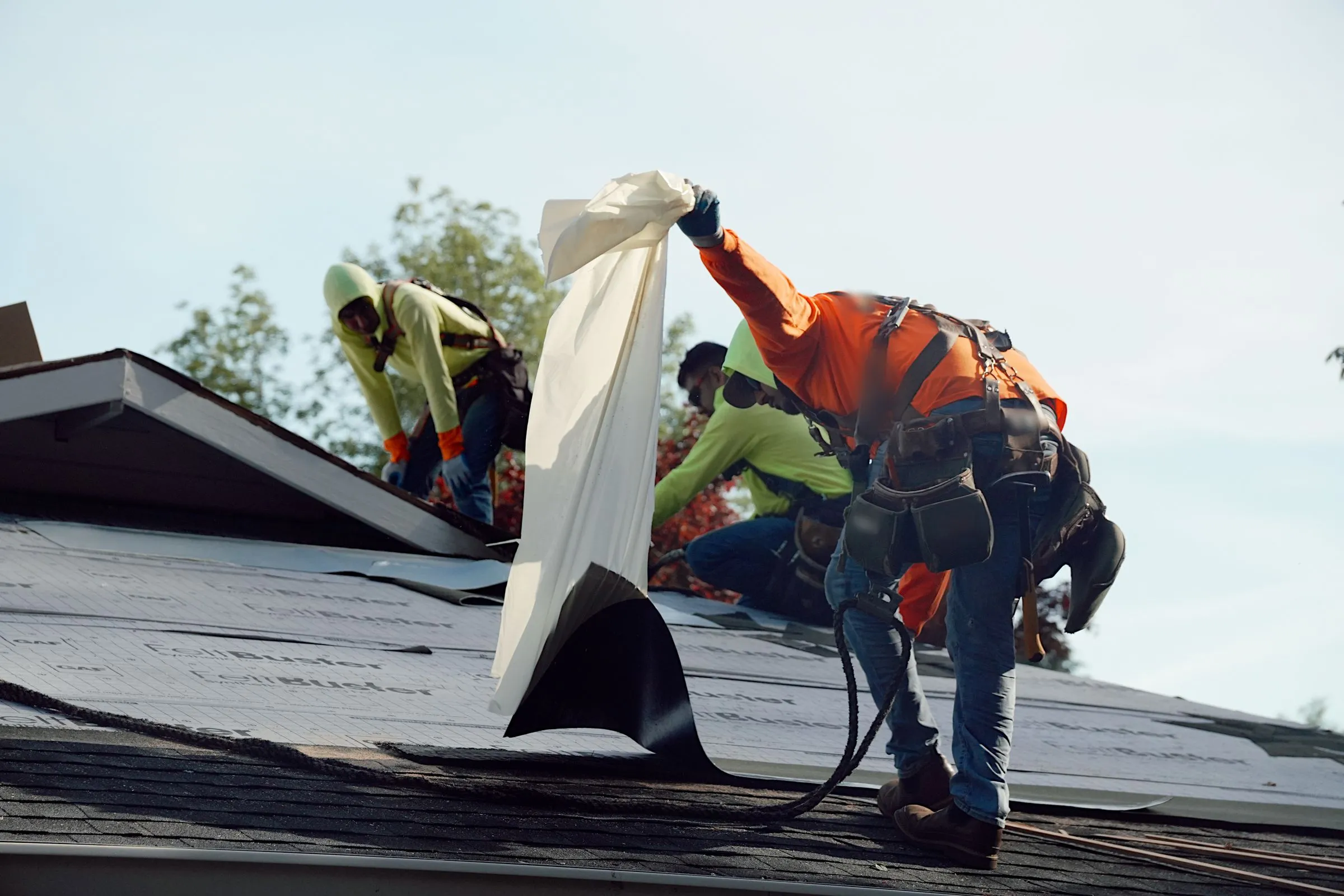
Sometimes, but there are limits. GAF notes that most local codes allow no more than two layers, and that the old roof should come off when its shingles are curled or warped, or when leaks may have damaged the deck underneath. A tear-off is also the only way to inspect the deck and install leak barrier at the eaves, valleys and around roof penetrations. Every Homze roof is a full tear-off and replacement, with removal and disposal of the old roof included.
Does Homeowners Insurance Pay for a New Roof?
Only when a covered event caused the damage. According to the Insurance Information Institute, policies typically cover sudden or accidental damage from events such as wind, hail, falling objects, fire or the weight of ice and snow, while replacing a roof worn out by normal wear and tear is the homeowner’s cost. Most insurers also require a roof over 20 years old to pass an inspection when you apply for a policy, and some cover an older roof only at its depreciated value. If a storm damaged your roof, take photos if you can do so safely and contact your insurer.
Is a 20-Year-Old Roof Due for Replacement?
Not on age alone. InterNACHI’s life expectancy chart puts 3-tab asphalt shingles at about 20 years and architectural shingles at about 30, and it notes that local weather, design, material quality and maintenance all change how long a roof lasts. Treat 20 years as the point to look closely at the shingles, the flashing and the attic, not as proof the roof has failed.
Ready to See What Your Project Would Cost?
Book a free in-home estimate for a written quote. No pressure, no obligation.