Best Roofing Materials for Portland & Seattle
Architectural asphalt shingles, metal roofing, and TPO or PVC systems on flat roofs perform best in Portland and Seattle’s wet climate. In the Northwest, a standard asphalt shingle roof typically lasts 20 to 25 years, architectural shingles 25 to 30, and metal 40 to 70. How the roof is installed and ventilated matters as much as the material.
Why Material Choice Matters in the Pacific Northwest
The Northwest is one of the toughest climates in the U.S. for residential roofs. Roofing here has to handle:
- Constant moisture and long wet seasons
- Wind-driven rain around flashing, vents and other roof penetrations
- Limited drying time between storms
- Moss and algae that thrive in shade and moisture
- Moisture trapped beneath aging shingles
- Poor attic ventilation, which is common in older homes
A material that performs well in a dry climate can fail early here if it lacks moisture resistance or isn’t installed properly.
Roofing Materials Compared
| Material | Typical lifespan in Portland and Seattle | Strengths | Watch-outs |
|---|---|---|---|
| Standard asphalt shingles | 20 to 25 years | Affordable, easy to install | 3-tab shingles have a shorter lifespan and lower wind resistance |
| Architectural asphalt shingles | 25 to 30 years | Thicker, shed water well, better wind resistance | None for most homes |
| Metal roofing | 40 to 70 years | Sheds water, resists moss and algae, energy-efficient, recyclable | Higher upfront cost |
| Flat roofing (TPO/PVC) | 20 to 30 years | Strong waterproofing when properly installed | High leak risk without correct drainage |
| Tile roofing | 40 to 75 years | Long lifespan | Needs the right structure and maintenance |
Architectural Asphalt Shingles: The Most Popular Choice
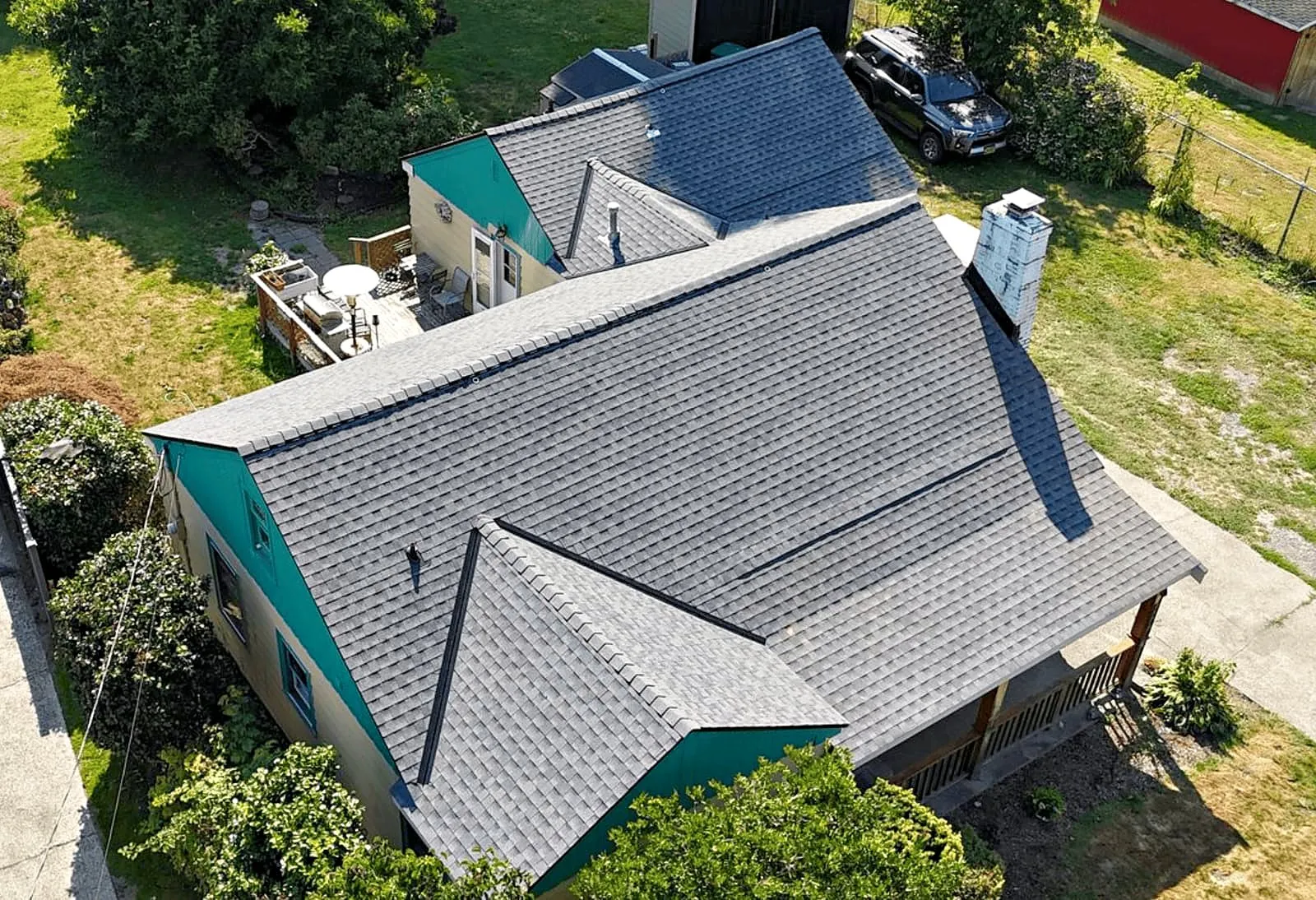
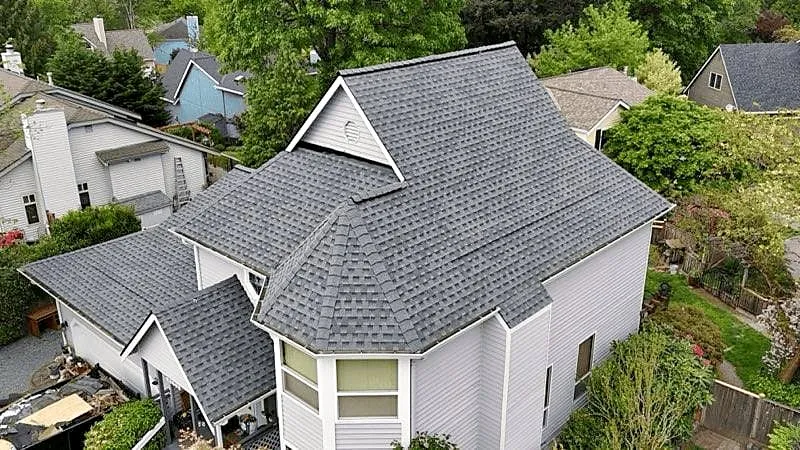
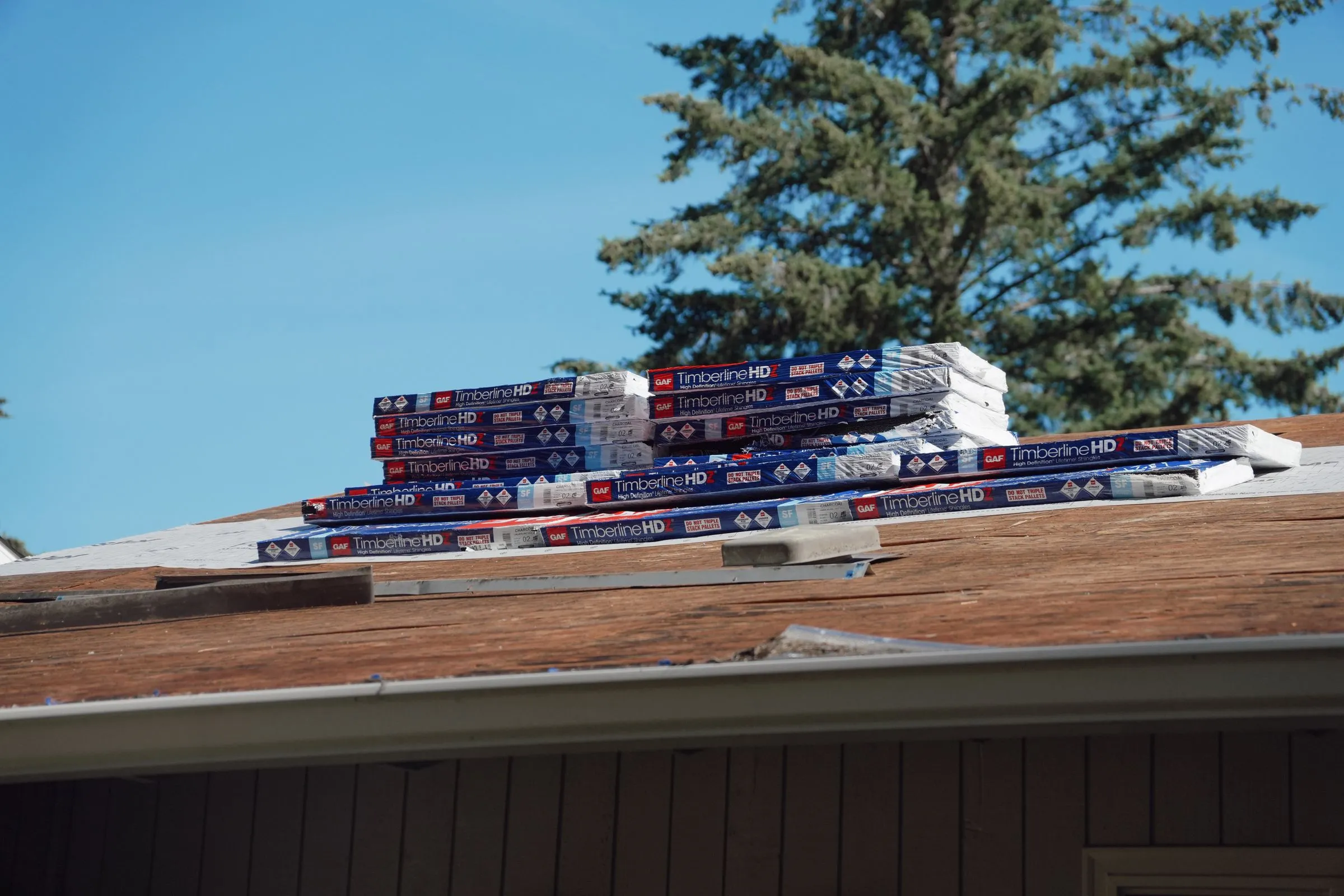
Architectural (dimensional) shingles are the most common and cost-effective roofing option in the region. They are thicker than standard 3-tab shingles, shed water efficiently and resist wind better. GAF’s best-selling shingle, Timberline HDZ®, is an architectural shingle, and packages bearing the StainGuard Plus™ logo carry a 25-year limited warranty against blue-green algae discoloration. That matters here: the Asphalt Roofing Manufacturers Association lists the Northwest among the regions where algae staining is most widespread.
Installed as a complete GAF system, Timberline shingles also qualify for GAF’s enhanced warranties, which on a single-family home include 50 years of non-prorated coverage against manufacturing defects.
Metal Roofing: Best for Longevity
Metal is a strong choice if durability and low maintenance are your priorities. It sheds water well, resists moss and algae, and lasts 40 to 70 years. It costs more upfront but can offer long-term value in a wet climate. Properly installed over decking and insulation, a metal roof is no louder in the rain than other roofs.
Flat and Low-Slope Roofs
Flat and low-slope roofs are common on modern homes and additions. TPO and PVC systems provide strong waterproofing when they are properly installed and maintained, which makes them suitable for rainy climates. The key is correct drainage.
Materials to Avoid or Use With Caution
- 3-tab asphalt shingles: shorter lifespan and lower wind resistance
- Wood shake: prone to moss and rot, with higher maintenance
- Poorly designed flat roofs: high leak risk without correct drainage
Whatever you choose, factor in your roof’s slope, tree cover and ventilation.
Homze installs GAF roofing systems exclusively. During a free inspection, your roofing expert recommends the right product for your roof’s size, slope, exposure and style. To get a price, book a free inspection on our GAF roof replacement page.
How Long Does a Roof Really Last in Portland and Seattle?
Many homeowners notice that Northwest roofs don’t last as long as advertised. Most standard asphalt shingle roofs here last 20 to 25 years, because rain, humidity, moss and limited sunlight shorten their lives. With the right materials, proper installation and ventilation, and regular maintenance, many roofs here last longer than 25 years.
What Makes a Roof Fail Early?
Most early roof failures come from problems with the system, not the shingles alone:
- Improper installation or shortcuts
- Poor attic ventilation
- Inadequate underlayment
- Flashing failures around chimneys and vents
- Moss and debris buildup
- Skipped inspections
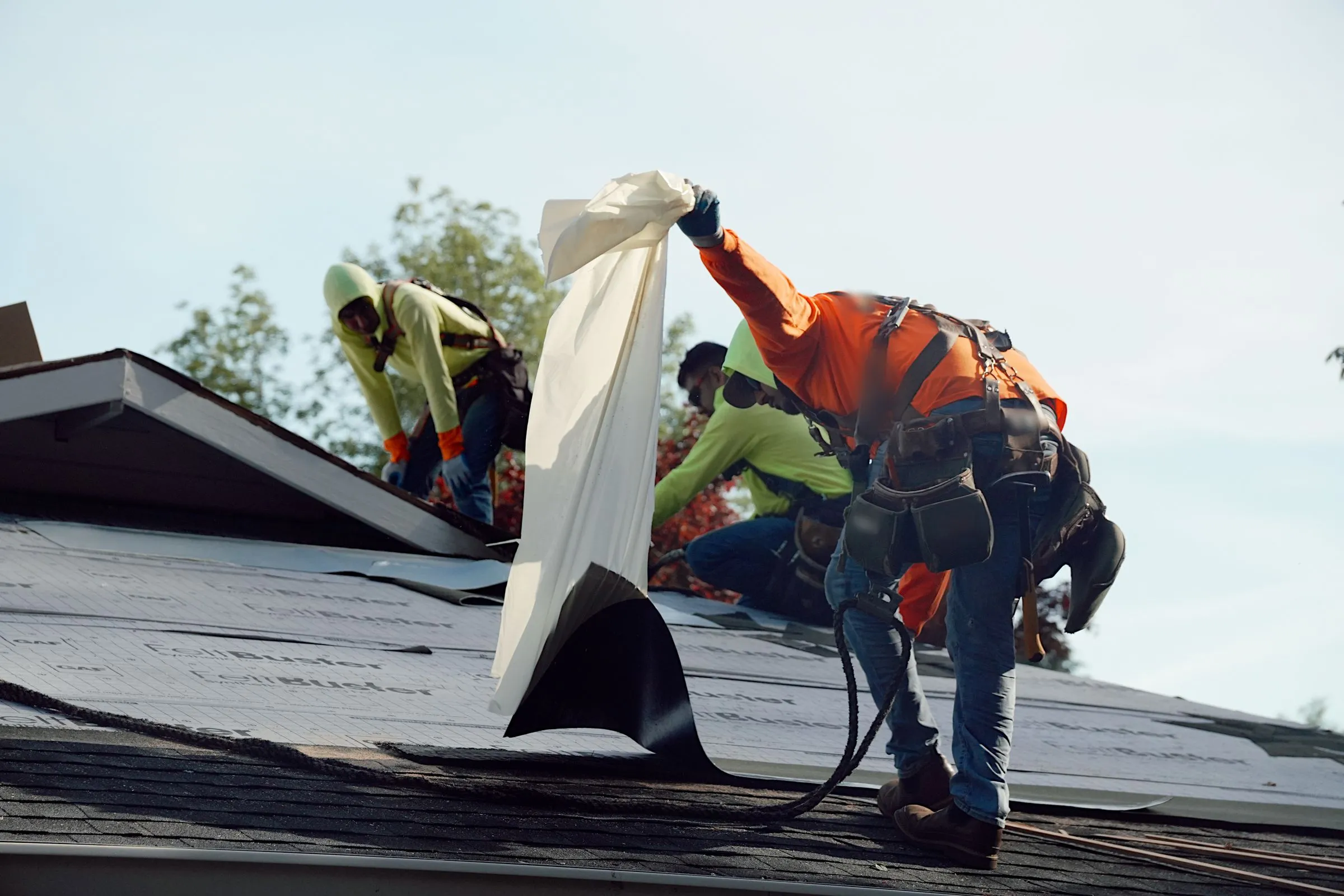
That is why installation quality matters so much. The key factors are proper underlayment and flashing, correct attic ventilation, manufacturer-approved installation methods and a certified installer. Fewer than 2% of roofers nationwide hold GAF Master Elite® status. GAF lets only the contractors it certifies offer its enhanced warranties, and only Master Elite contractors can offer its Golden Pledge® warranty, with 25 years of workmanship coverage on Timberline HDZ® shingles. Our guide to roofing warranties explains what those cover.
How to Make Your Roof Last Longer
Even the best roof benefits from regular care:
- Have the roof inspected once or twice a year, and after major storms.
- Keep moss and debris off the roof, but don’t pressure wash the shingles: GAF warns it can knock loose the granules.
- Clean the gutters at least twice a year. Our gutter guide covers sizes, guards and schedules.
- Trim branches that touch or overhang the roof.
- Watch your attic ventilation and insulation.
- Deal with storm damage promptly.
A seasonal routine helps:
- Fall: clear leaves and clean the gutters.
- Winter: watch for ice dams and snow buildup.
- Spring: look for leaks or sagging after heavy rains.
- Summer: check attic ventilation and insulation.
A long warranty doesn’t remove the need for maintenance. Regular inspections are still recommended to keep the roof performing.
When Should You Start Planning a Roof Replacement?
Start planning when:
- The roof is 18 to 20 years old
- Repairs are becoming more frequent
- Shingles show widespread wear
- Moss returns quickly after removal
Planning early gives you time to choose materials, line up financing and avoid an emergency replacement in the middle of the rainy season. For the warning signs to watch for, see signs you need a new roof.
Frequently Asked Questions
Are Architectural Shingles Better Than Standard Shingles for Rain?
Yes. Architectural shingles are thicker and more durable, and they shed water better than standard 3-tab shingles.
Is Metal Roofing Too Noisy in the Rain?
No. Properly installed with insulation and decking, a metal roof is no louder than other roofing systems.
What Roofing Material Needs the Least Maintenance?
Metal roofing generally needs the least, followed by architectural asphalt shingles installed with proper ventilation.
Do Roofing Warranties Really Last 50 Years?
Partly. GAF’s enhanced warranties on Timberline shingles include 50 years of non-prorated coverage against manufacturing defects on a single-family home, but workmanship coverage is shorter: 10 years under Silver Pledge™ for Timberline HDZ®, and 25 years under Golden Pledge®, which only Master Elite contractors can offer.
What Roof Pitch Is Too Low for Shingles?
GAF’s installation instructions require a slope of at least 2:12 (2 inches of rise for every 12 inches of run) for its shingles. Roofs from 2:12 up to just under 4:12 also need two layers of underlayment over the whole deck. Anything flatter needs a low-slope roofing system, such as the TPO and PVC systems above, instead of shingles.
What Is the Best Time of Year to Replace a Roof in Portland or Seattle?
July and August are the driest months in both cities: NOAA’s 1991 to 2020 normals put them at about half an inch to an inch of rain each, against more than 5 inches a month from November through January. A roof can be replaced outside summer, but GAF requires a dry deck before shingles go on, and its shingles bond with sun and warmth, so in long cold spells they have to be sealed by hand. If your roof is near the end of its life, plan the replacement for the drier months instead of waiting for a winter leak.
Ready to See What Your Project Would Cost?
Book a free in-home estimate for a written quote. No pressure, no obligation.