Siding Installation Process: What to Expect
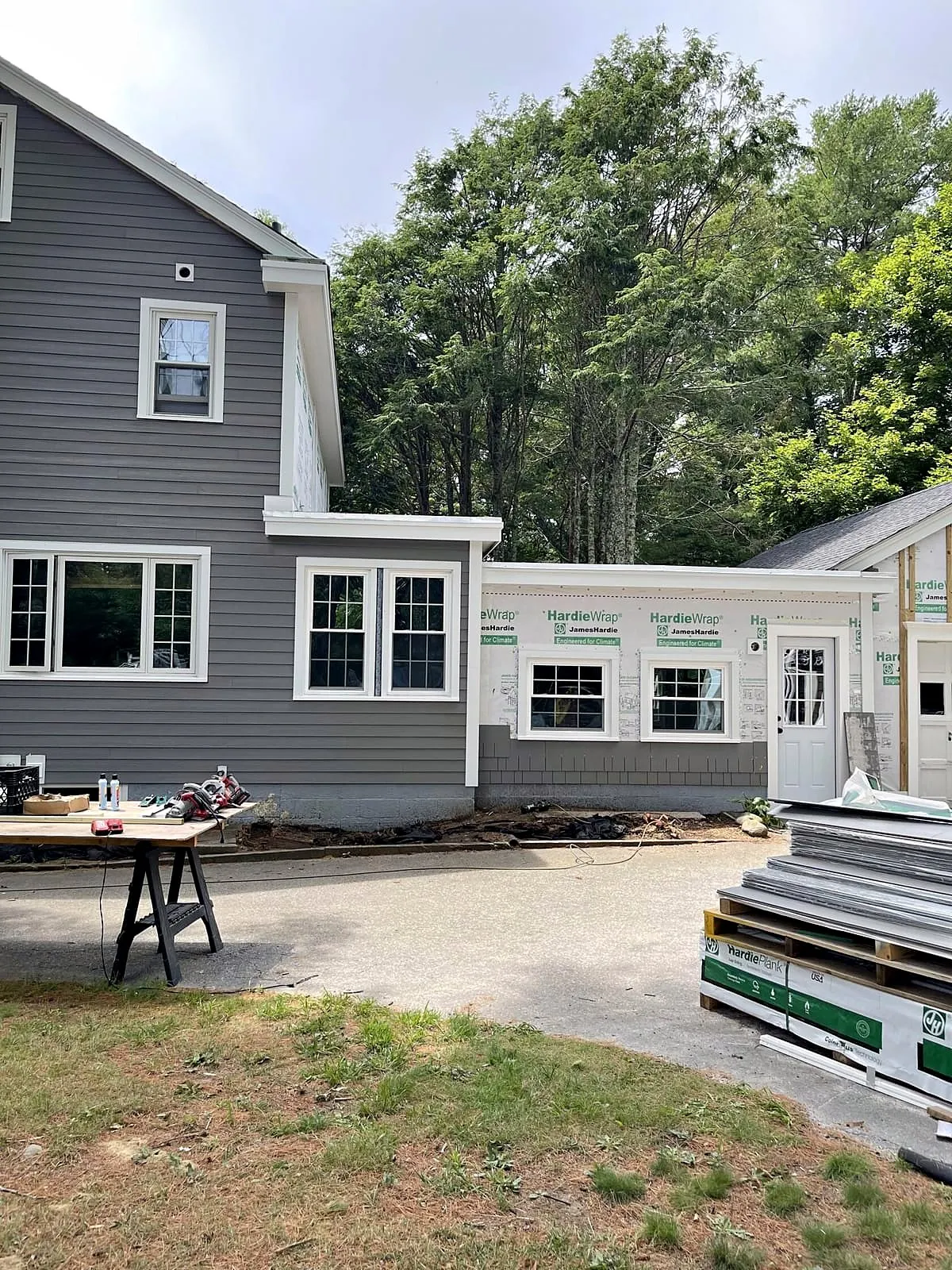
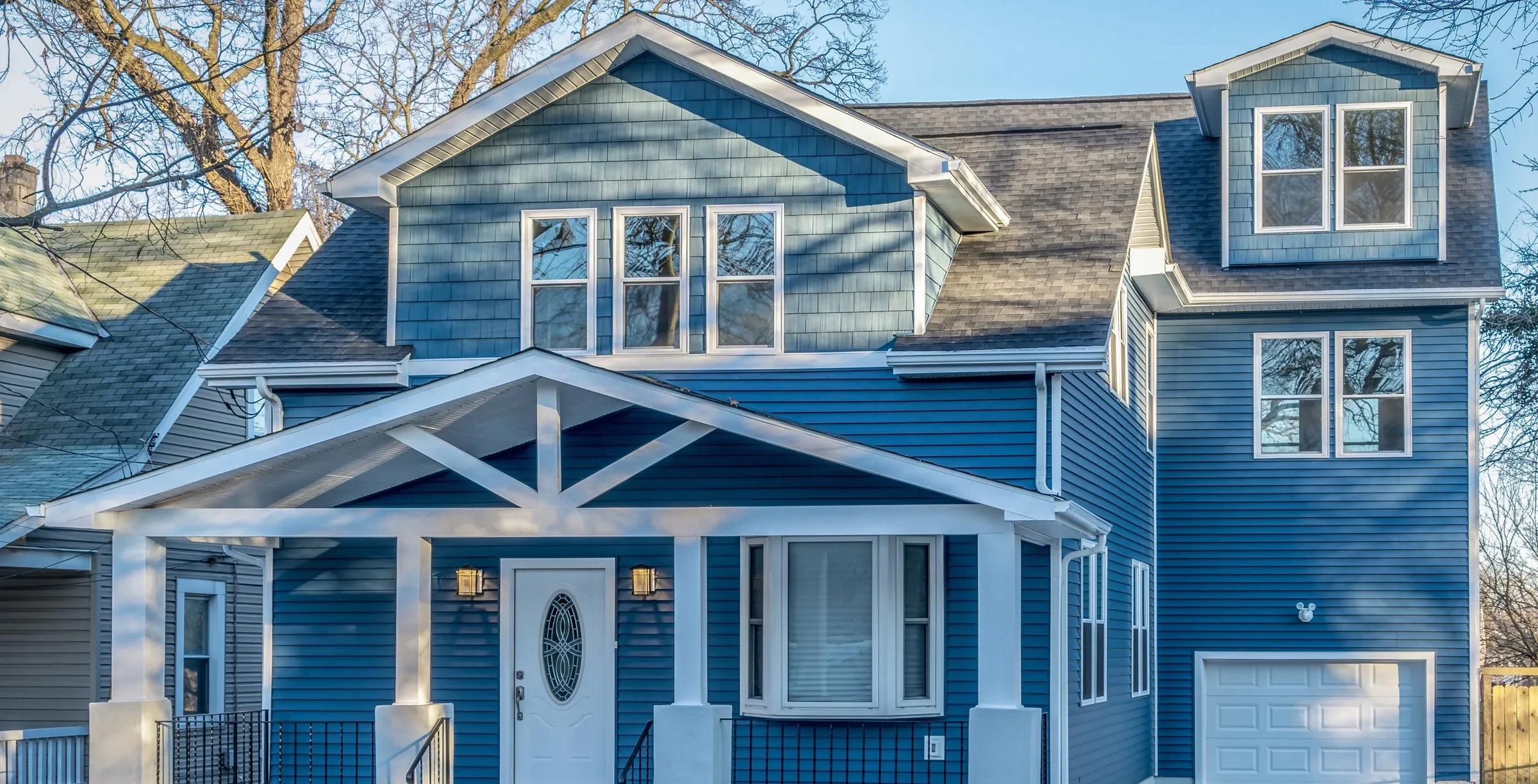
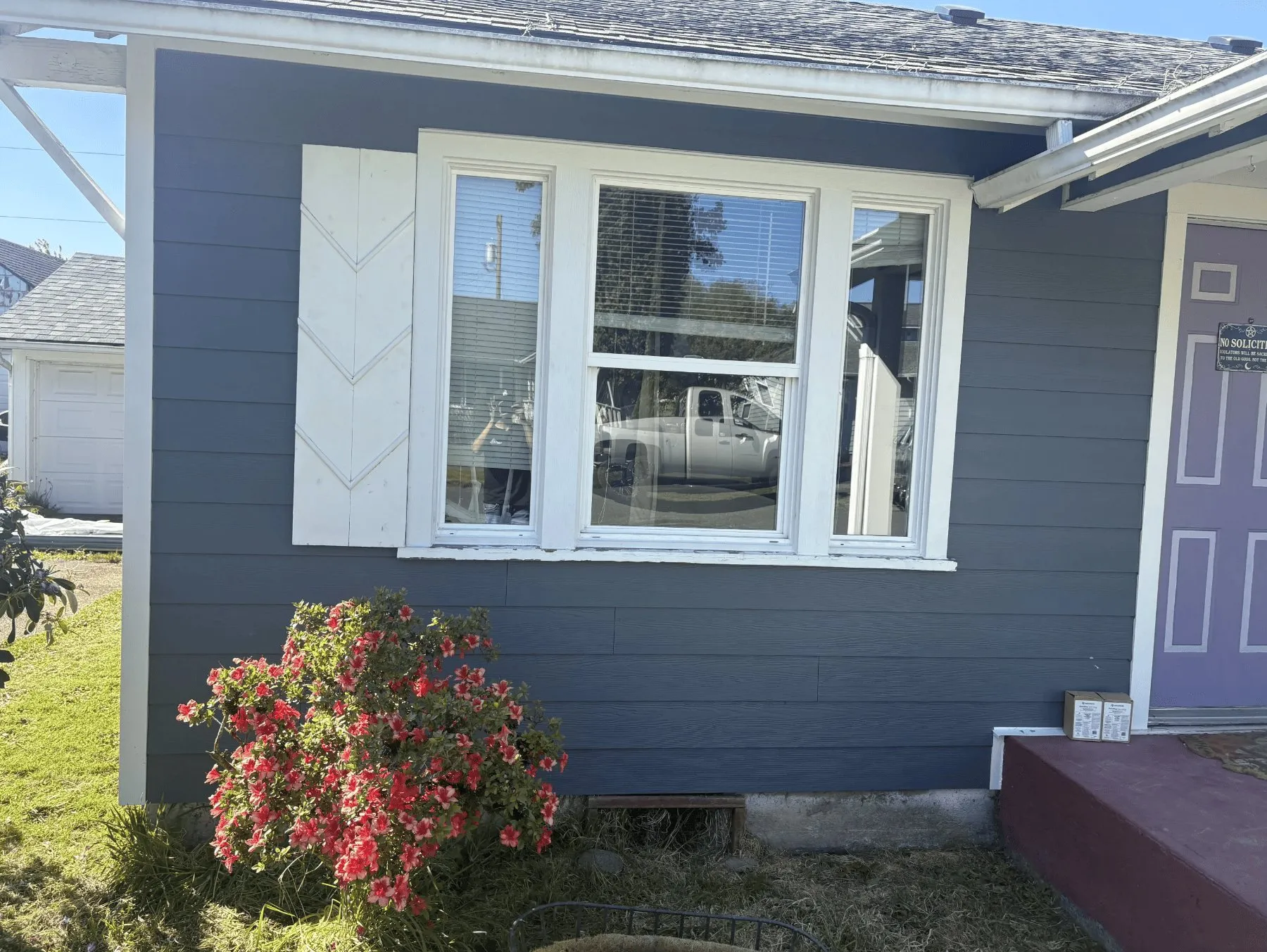
A full siding replacement moves through five main steps: removing the old siding, repairing and weatherproofing the walls, installing the new siding, finishing the trim and seams, and a final cleanup and walkthrough. Most homes take about 5 to 14 days of work, longer on large or complex houses, and James Hardie puts a typical average-sized home at 7 to 14 days. In the Pacific Northwest, new James Hardie siding should go on after the old siding comes off, not over it.
Plan for the house to look like a work site for longer than the install itself. James Hardie tells homeowners to expect about four to six weeks, sometimes more, depending on the size of the house and how complex the project is.
Before Installation: Planning and the Estimate
Every good siding job starts with planning. During this phase your contractor should:
- Inspect the exterior for damage, rot or pest problems
- Take precise measurements to calculate materials
- Help you choose siding, trim and finishes, such as James Hardie’s ColorPlus factory colors
- Give you a detailed quote and timeline
- Check whether your city requires a permit. Portland and Seattle generally don’t for replacing siding alone, but walls required to be fire-resistant, structural repairs, and historic or design reviews can change that
Want a ballpark number before anyone measures? Our siding cost guide breaks down current pricing.
How to Prepare Your Home
A little prep before the crew arrives helps them work efficiently and safely:
- Clear access to the exterior walls by moving patio furniture, potted plants and other obstructions
- Trim overgrown plants near walls and windows
- Secure fragile decorations inside, since nail guns can cause some vibration
- Let neighbors know about the noise and activity
Step 1: Remove the Old Siding
Tear-off usually takes 1 to 2 days, depending on the size of the house. The crew removes the existing siding, inspects the sheathing underneath, and hauls the debris away, usually with a dumpster on site. Homze includes removal and disposal of the old siding in every siding quote.
If the crew finds water rot or insect damage, it has to be repaired before new siding goes up.
Can James Hardie Siding Go Over Existing Siding?
In most cases, no. In Portland and Seattle, full removal of the old siding is usually the recommended approach. Homes here face constant rain, high humidity, little drying time between storms, and an older housing stock where hidden rot is common. Installing over old siding can trap moisture, hide structural problems and shorten the life of the new siding.
Installing over existing siding may be possible in limited cases, but only if:
- The existing siding is flat and structurally sound
- There is no rot, mold or moisture damage
- Local building codes allow it
- Proper moisture barriers and furring systems are added
Even then, the extra preparation often eats up most of the savings.
James Hardie’s installation instructions call for its lap siding to be fastened to braced studs spaced no more than 24 inches apart, or directly to sheathing such as 7/16 inch OSB, over a water-resistive barrier. They also warn that unevenness in the wall underneath shows through the finished siding. Full removal lets the crew check for moisture and rot and install house wrap and flashing properly.
| Approach | Upfront cost | Long-term result |
|---|---|---|
| Install over existing siding | May save on demolition | Higher moisture risk and more complex preparation |
| Remove old siding first | Higher | Better protection and fewer moisture problems |
Removal costs more at the start, but over the life of the siding it is often the more cost-effective choice. Improper installation, or not following James Hardie’s guidelines, can also affect warranty coverage.
Step 2: Wall Preparation and Repairs
This step often separates a quality job from a rushed one. Your contractor should:
- Replace any damaged sheathing or framing
- Add rigid foam board or other insulation where needed
- Apply a moisture barrier (house wrap)
That barrier matters most in the Pacific Northwest, where it keeps rain from working into the walls and causing mold. James Hardie’s instructions require a water-resistive barrier behind its siding, installed to local code. In Oregon, the 2023 residential code also calls for at least 1/8 inch of drainage space between the barrier and the siding, or a barrier built to drain.
Step 3: Install the New Siding
For James Hardie siding, installation includes:
- Keeping the boards stored flat and under cover until they go up, because siding installed wet can shrink at the butt joints
- Fastening the fiber cement boards with corrosion-resistant nails (James Hardie recommends hot-dipped galvanized)
- Setting planks in moderate contact at the butt joints, as James Hardie’s instructions specify
- Staggering boards to avoid visible seams
- Cutting precisely around windows, doors and corners
- Following James Hardie’s installation guidelines, which protects the warranty
This step typically takes 3 to 7 days for an average-sized home, depending on the material and layout.
Step 4: Trim, Sealing and Painting
With the siding on, the crew:
- Adds trim boards, soffits and fascia
- Seals joints and gaps with color-matched caulk
- Paints any areas that aren’t pre-finished (ColorPlus siding may skip this step)
James Hardie requires primed siding to be painted within 180 days of installation. It recommends 100% acrylic topcoats and says never to paint boards that are wet, so in the rainy months the painting may wait for a dry stretch.
Step 5: Cleanup and Final Inspection
The crew cleans up the site, and you do a final walkthrough together. Ask for photos of any work that ended up hidden, such as flashing and sheathing repairs.
How Long Does Siding Installation Take?
| Home size | Estimated duration |
|---|---|
| Small (1,500 sq ft) | 5 to 7 days |
| Medium (2,500 sq ft) | 7 to 10 days |
| Large or complex | 10 to 14+ days |
Weather delays can happen, especially in winter, so build a few buffer days into your plans.
How to Choose a Qualified Siding Installer
Look for a contractor who is:
- Licensed, bonded and insured in your state. You can look up any contractor on the Oregon Construction Contractors Board’s license search or Washington L&I’s Verify a Contractor tool. Homze is licensed in Oregon (CCB 239804) and Washington (HOMZEL*786KQ).
- Experienced with James Hardie installations
- Well reviewed, with before-and-after photos of real projects
- Transparent about pricing and timelines
- Clear in communication from day one
Avoid unlicensed or bargain-rate crews. They often cut corners on prep or flashing, and that leads to problems later.
Mistakes to Avoid
- Skipping wall prep or insulation
- Installing siding over rotted wood
- Not reading the contract in detail
- Hiring on price alone
- Not confirming warranty details
Frequently Asked Questions
Can I Stay in My Home During Siding Installation?
Yes. It’s noisy, but you don’t need to move out.
Do I Need to Be Home During the Project?
Only for the initial inspection and the final walkthrough. The crew can work while you’re away.
Will My Landscaping Be Damaged?
Professional crews take care to protect it. Point out any special areas you want them to avoid.
What If It Rains During the Project?
Work may pause for safety, but the house wrap protects your walls in the meantime. The new boards should stay covered until they go up, and any painting waits until the siding is dry.
How Do I Know the Installation Was Done Right?
Do a thorough walkthrough and ask for photos of any hidden work, such as flashing and sheathing.
Should I Replace Windows or Siding First?
If both are due, installers typically put the windows in first, or do both in the same project. That way the new window flashing can be tied into the weather barrier before the siding covers it, instead of being reworked later. Homze installs both Alside replacement windows and James Hardie siding.
How Do I Care for New Hardie Siding?
Rinse it every 6 to 12 months with a garden hose and a soft, non-metal brush, and skip the pressure washer. James Hardie also recommends keeping shrubs trimmed back from the walls and keeping gutters clear. Its warranty may not cover damage caused by improper cleaning or maintenance.
Is James Hardie Siding Harder to Install?
It takes more precision and skill, which is one more reason to hire an installer experienced with James Hardie products. For help choosing a material in the first place, see the best siding for Northwest homes.
Ready to See What Your Project Would Cost?
Book a free in-home estimate for a written quote. No pressure, no obligation.