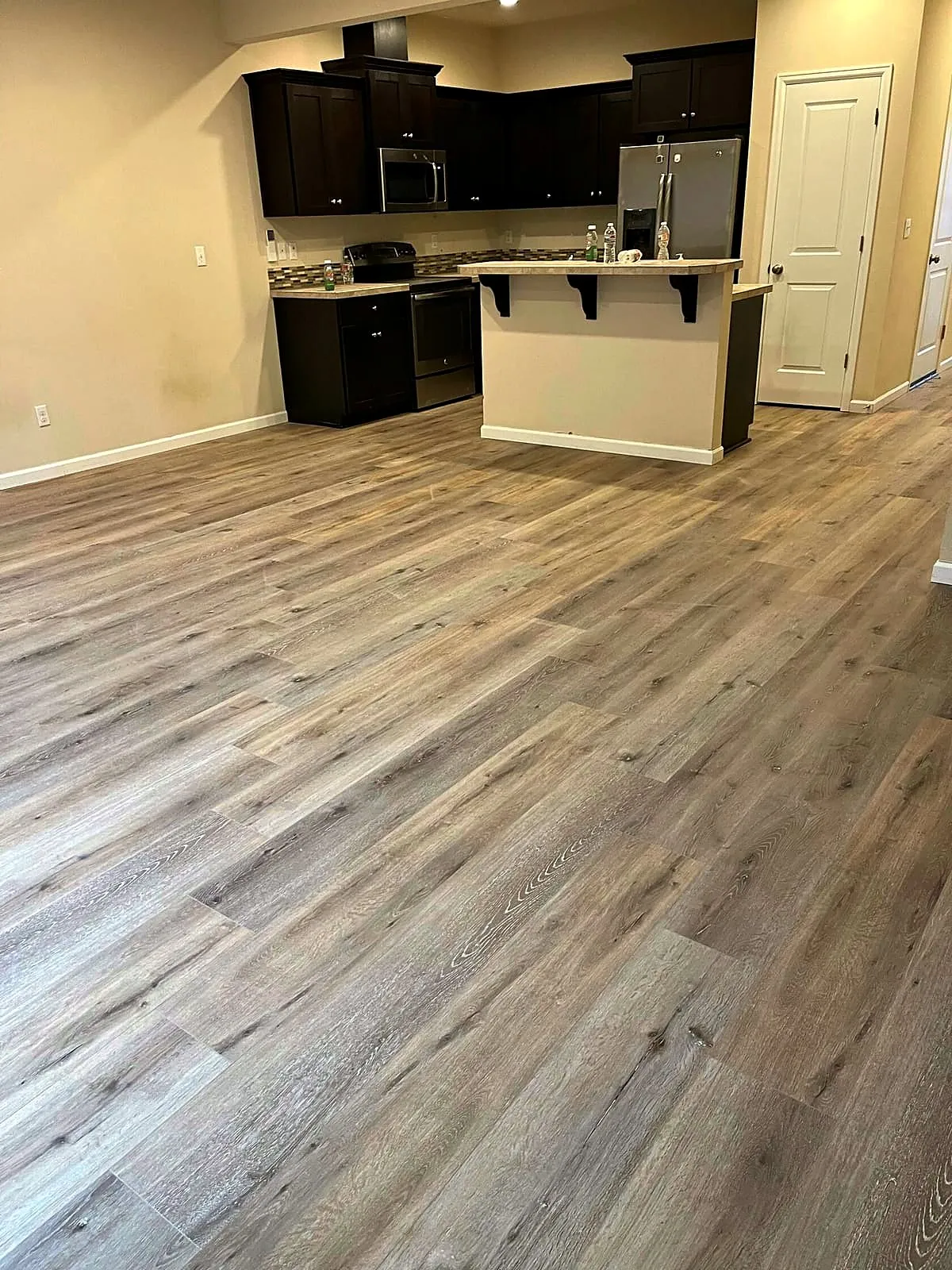
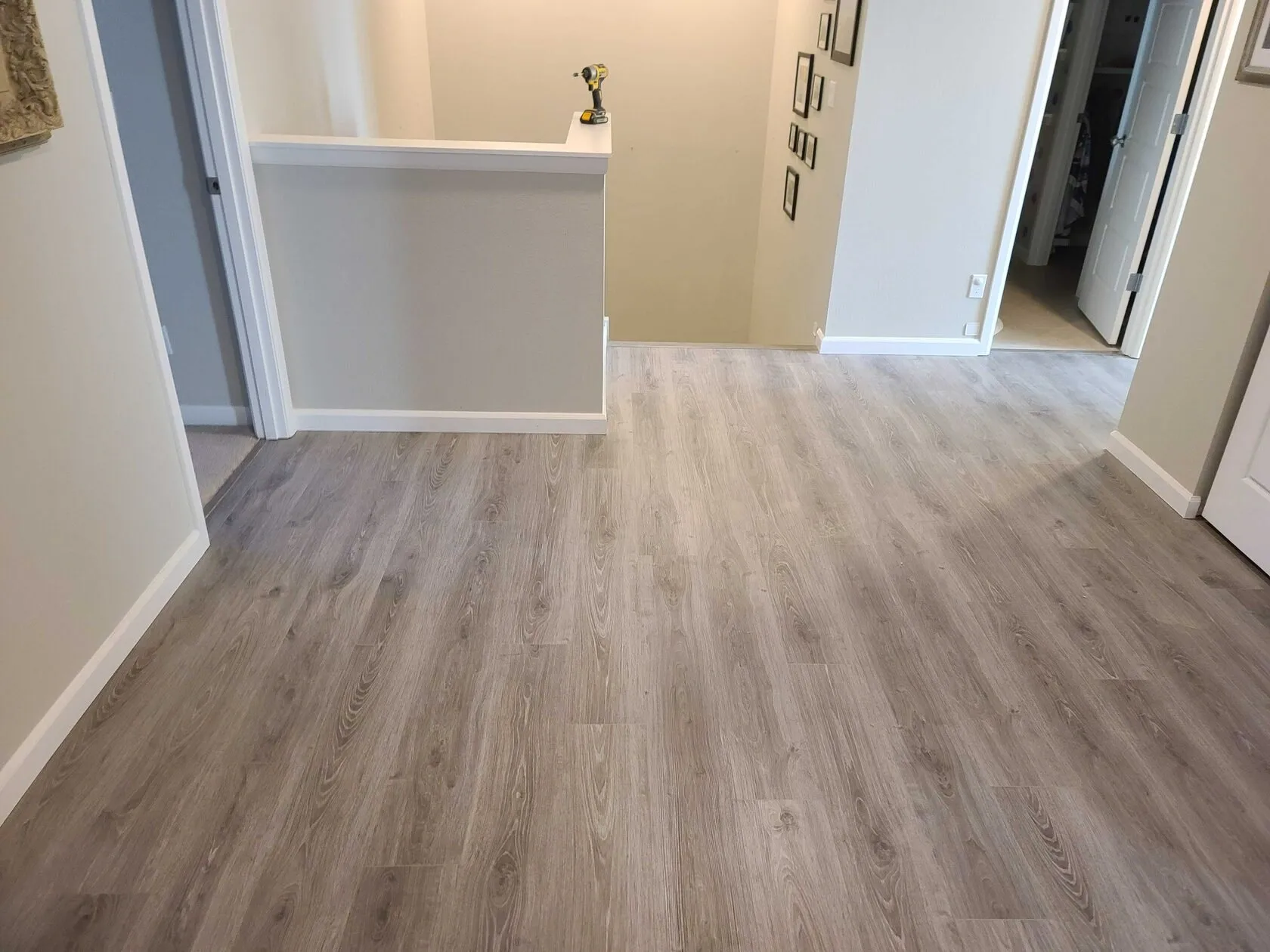
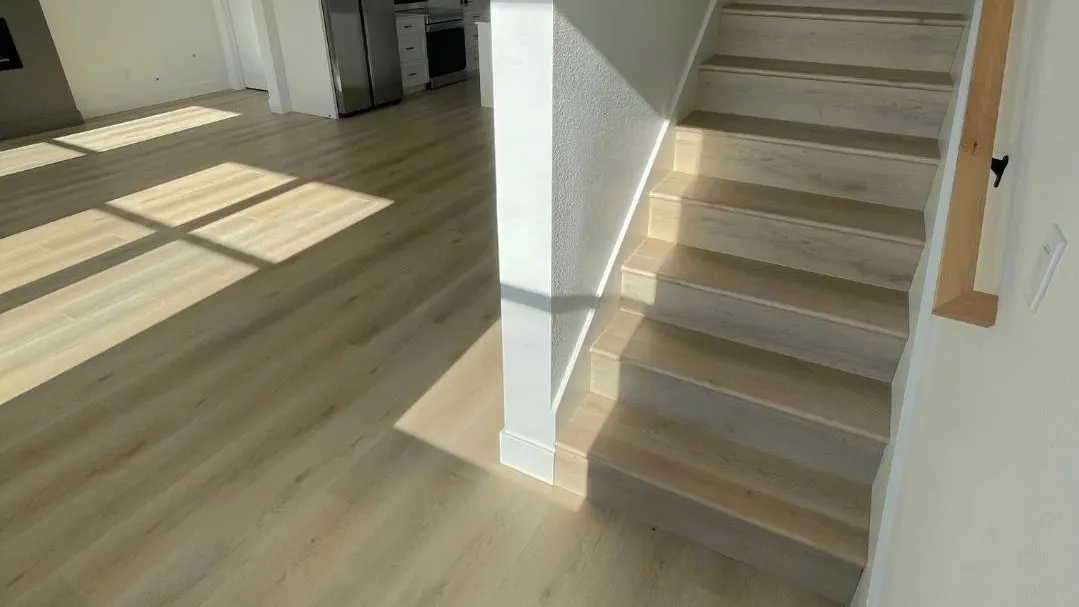
Flooring Installation Process: What to Expect
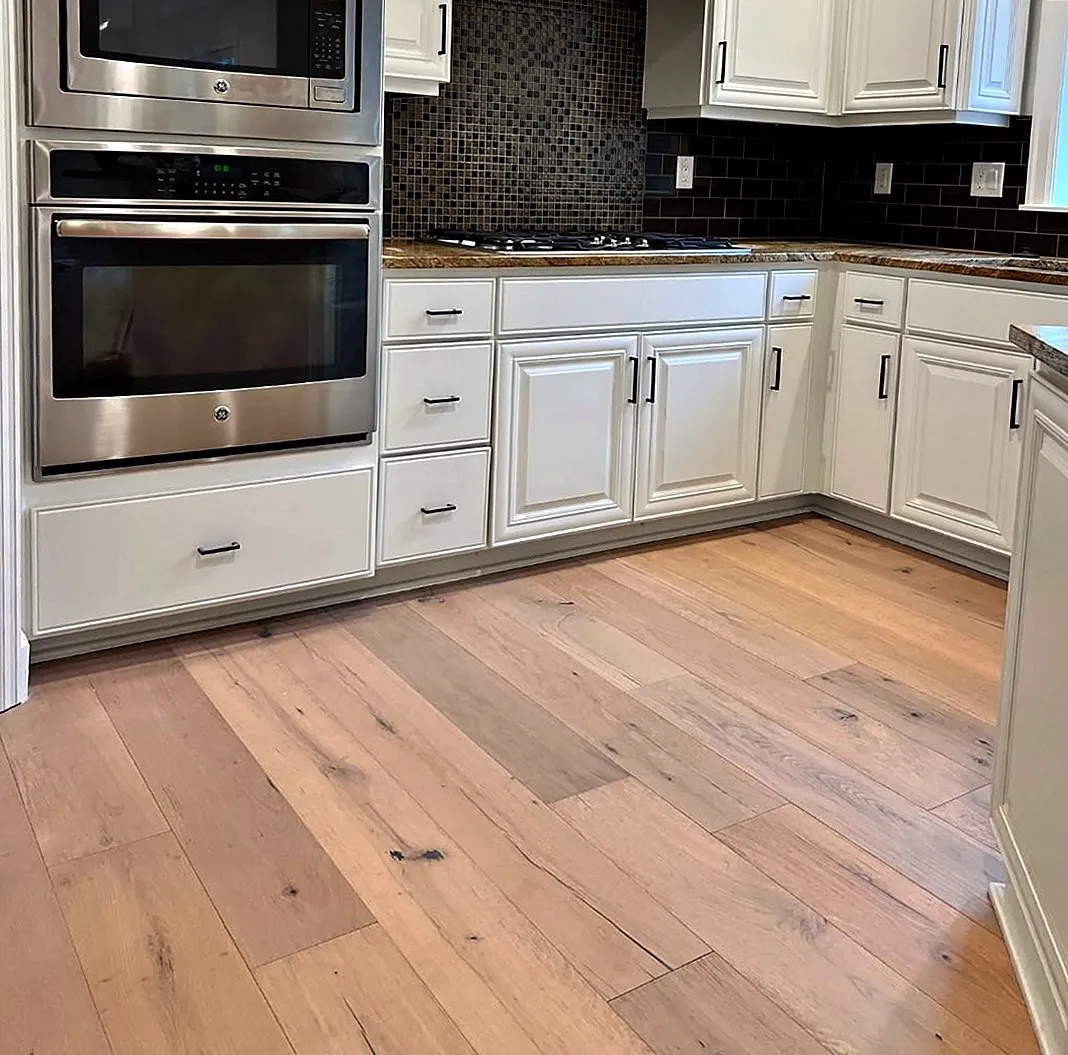
A professional flooring installation follows five steps: an in-home evaluation, removal of the old floor, subfloor preparation, installation, and finishing with a final inspection. Most projects take 1 to 3 days, depending on the size of the space and the material. In most cases, the old flooring needs to come out first.
New floors raise a lot of questions at once: whether to do it yourself, what it will cost, how to measure, how to find a contractor and compare quotes, and what happens if the quality is poor. This guide answers them in the order you’ll face them.
What Happens During a Flooring Installation?
Step 1: In-Home Evaluation and Measurements
A professional measures each room and checks the subfloor condition, moisture levels and whether your chosen material suits the space. This step sets accurate pricing and catches problems before installation day.
Step 2: Moving Furniture and Removing the Old Floor
Furniture is moved out of the way, then the existing carpet, tile, laminate or hardwood comes up. That can include removing adhesive, staples and nails, and hauling the old material away. Homze handles both the furniture moving and the old floor removal; we plan them with you at the estimate so installation day runs without delays.
Step 3: Subfloor Preparation
The subfloor is cleaned, leveled and repaired where needed. Good subfloor prep prevents squeaks, uneven spots and premature wear.
Step 4: Installing the New Floor
Depending on the material, installers use one of three methods: floating (click-lock), glue-down or nail-down. Each room is laid out and installed for proper alignment and durability. Materials also need time to acclimate before they go down.
Step 5: Finishing Touches and Final Inspection
Trim and transitions are installed, the space is cleaned, and the job gets a final inspection.
Can You Stay Home During Flooring Installation?
In most cases, yes. You may lose access to some rooms while they’re being worked on. You don’t have to stay the whole time, but Bruce’s homeowner guide suggests staying reachable by phone and being there for the walkthrough at the start and the end of the job.
How Long Does Flooring Installation Take?
Most residential installations take 1 to 3 days. By the size of the job:
| Space | Typical installation time |
|---|---|
| Small rooms (bedrooms, offices) | 1 day |
| Medium spaces (living rooms, kitchens) | 1 to 2 days |
| Whole-home projects | 2 to 5 days |
By material:
| Flooring | Typical installation time |
|---|---|
| Vinyl plank (LVP) | 1 to 2 days |
| Laminate | 1 to 2 days |
| Hardwood | 2 to 4 days |
| Tile | Several days, due to setting and drying time |
What Can Make Flooring Installation Take Longer?
- Removing old flooring, which can add several hours or an extra day depending on the material
- Subfloor repairs or leveling
- Large rooms or complex layouts
- Stairs, transitions and custom cuts
- Coordinating furniture moving
These are all reviewed at the estimate, so your timeline is realistic before work starts.
Can Flooring Be Installed in One Day?
Yes. Many smaller projects are finished in a single day, especially vinyl plank or laminate in rooms with a sound subfloor. Speed shouldn’t come at the expense of quality, though; a good timeline balances both.
Do You Need to Remove Old Flooring Before Installing New Floors?
Usually, yes. Removing the old floor helps ensure a level surface and a durable, long-lasting installation. Old flooring needs to come out when:
- The existing floor is uneven or damaged
- There is moisture or mold
- The new floor requires a flat subfloor
- There are already multiple layers of flooring
Many older homes in Portland and Seattle have subfloors that need inspection and preparation before new flooring can go in properly.
Can New Flooring Go Over Old Flooring?
Sometimes. In limited cases, such as vinyl over vinyl or laminate over a flat surface, a new floor can be installed over the old one. Shaw, for example, says luxury vinyl can often go over existing flooring if that surface is flat, clean and in good condition. Whether it works in your home also depends on ceiling height, door clearance and the condition of the subfloor, so a professional evaluation will tell you whether removal is needed.
Why Is Removing the Old Floor Usually Better?
Taking it up lets installers:
- Inspect and repair the subfloor
- Fix squeaks and uneven areas
- Prevent moisture problems
- Install the new floor correctly and stay within warranty requirements
That matters in the Pacific Northwest, where moisture can affect how a floor performs.
What Are the Most Common Flooring Installation Mistakes?
Skipping Subfloor Preparation
This is the most common mistake. Laying new flooring over an uneven or damaged subfloor causes uneven floors, squeaks and movement, and premature wear.
Choosing the Wrong Flooring for the Room
Not every material suits every space:
- Laminate struggles in high-moisture areas
- Hardwood can warp in damp environments
- Carpet stains easily in busy areas
Match the floor to the room’s moisture, traffic and your lifestyle. Our comparison of LVP vs laminate vs hardwood shows which floor fits which room.
Measuring Wrong or Skipping Layout Planning
Bad measurements lead to wasted material, uneven seams and delays. Poor layout planning shows up as awkward transitions and visible alignment problems.
Rushing the Job
Rushed installations leave gaps between planks, weak adhesive bonds and a shorter floor life. Proper installation takes time, especially when it includes removing the old floor, preparing the subfloor and letting materials acclimate.
How Do You Choose a Reliable Flooring Contractor?
The installer matters as much as the material. Poor workmanship leads to uneven floors, gaps, premature wear and costly repairs. Look for:
- Flooring experience. Not every contractor specializes in flooring. Ask how long they’ve been installing floors and which materials they work with most, and make sure that includes the floor you’ve chosen.
- Licensing and insurance. A contractor should meet local licensing requirements and carry insurance, which protects you if there’s property damage or an installation problem. Homze is licensed in Oregon (CCB 239804) and Washington (HOMZEL*786KQ).
- A clear written estimate. It should spell out labor, materials, old floor removal and extras such as furniture moving, so there are no surprise charges later.
- A clear explanation of the process. A good contractor can walk you through prep, timeline and what to expect. Clear communication is a strong sign of professionalism.
- Positive customer feedback from past jobs.
Be careful with the cheapest bid. Extremely low prices can point to poor workmanship or hidden costs later.
Is Professional Flooring Installation Worth It?
Yes. A professional installation avoids the costly mistakes above and gives you a floor that lasts. Homze installs LVP, laminate, hardwood and carpet from Mohawk and Shaw, or flooring you supply, and backs the work with a 12-month limited installation warranty. See what drives the price in our flooring installation cost guide, visit our flooring installation page, or book a free in-home estimate when you’re ready for a written quote.
Frequently Asked Questions
How Should You Prepare for Flooring Installation Day?
Bruce’s homeowner guide suggests clearing breakables, wall hangings, electronics and closet contents from the rooms, making a plan for pets and kids, and settling ahead of time who disconnects appliances. Homze can move the furniture as part of the job, so you don’t have to.
Do Floors Need to Acclimate Before Installation?
Wood does. The boards sit in the rooms where they’ll go, at normal living temperature and humidity, for as long as the manufacturer specifies, commonly a few days. Most LVP and laminate need only 24 to 48 hours at room temperature, and Shaw says its luxury vinyl doesn’t need to acclimate as long as the room is climate-controlled.
How Soon Can You Walk on New Floors?
Floating floors, such as click-lock LVP and laminate, can take foot traffic right away. According to Bruce, glue-down floors usually allow light foot traffic after 24 hours, and site-finished hardwood needs 24 to 48 hours before socks and several days before shoes. Your product’s instructions have the final say.
When Can You Put Furniture Back?
Once the adhesive or finish has fully cured, not just when the floor is walkable, Bruce advises. That matters most for glue-down and site-finished floors. Your installer can tell you when your floor is ready for heavy pieces.
What Happens If Installers Find Subfloor Damage?
The crew should stop, show you the problem and explain how the fix changes the scope, cost and timeline before doing any extra work. Common warning signs are soft spots, uneven areas and past water damage. This is one reason the old floor usually comes up first.
Ready to See What Your Project Would Cost?
Book a free in-home estimate for a written quote. No pressure, no obligation.