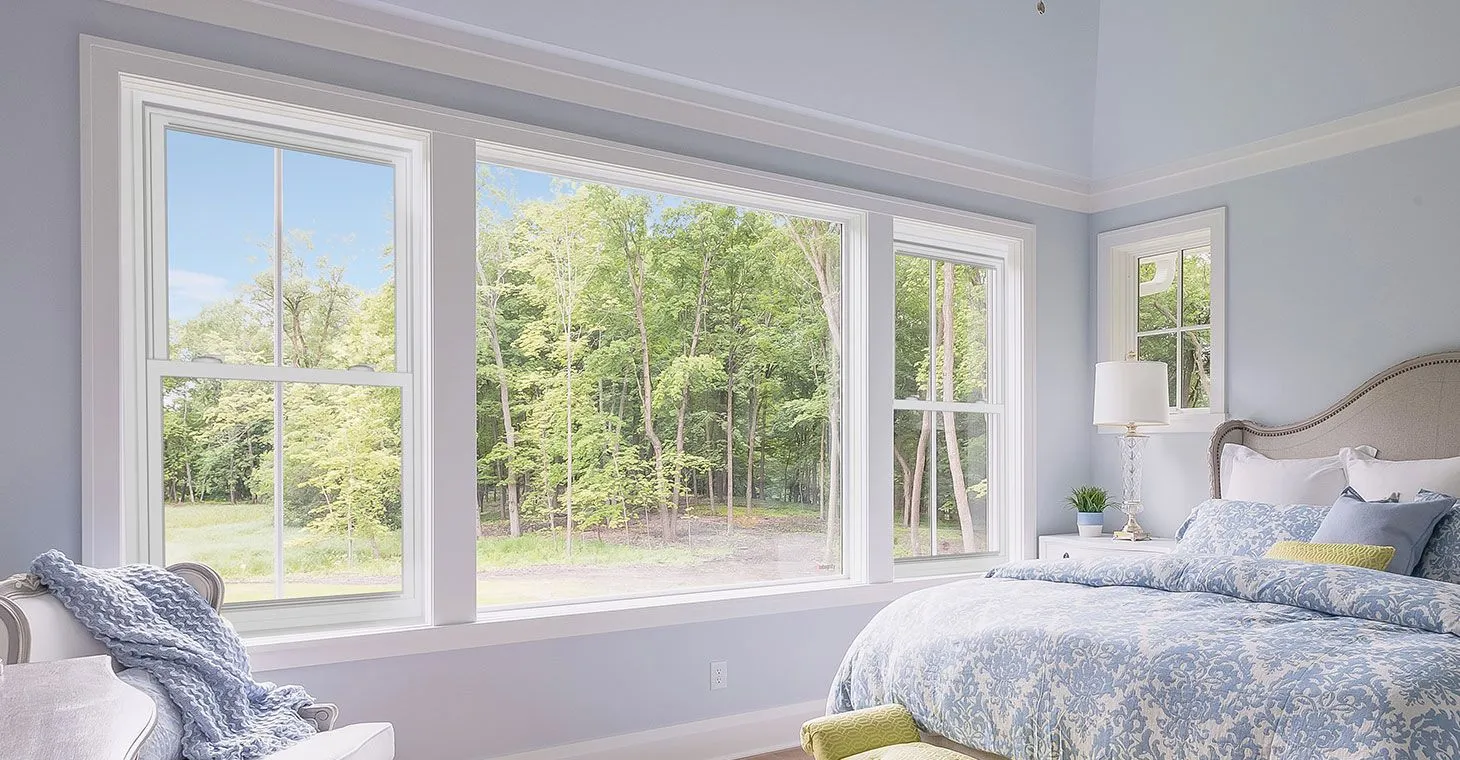
Double vs Triple Pane Windows: Which to Choose?
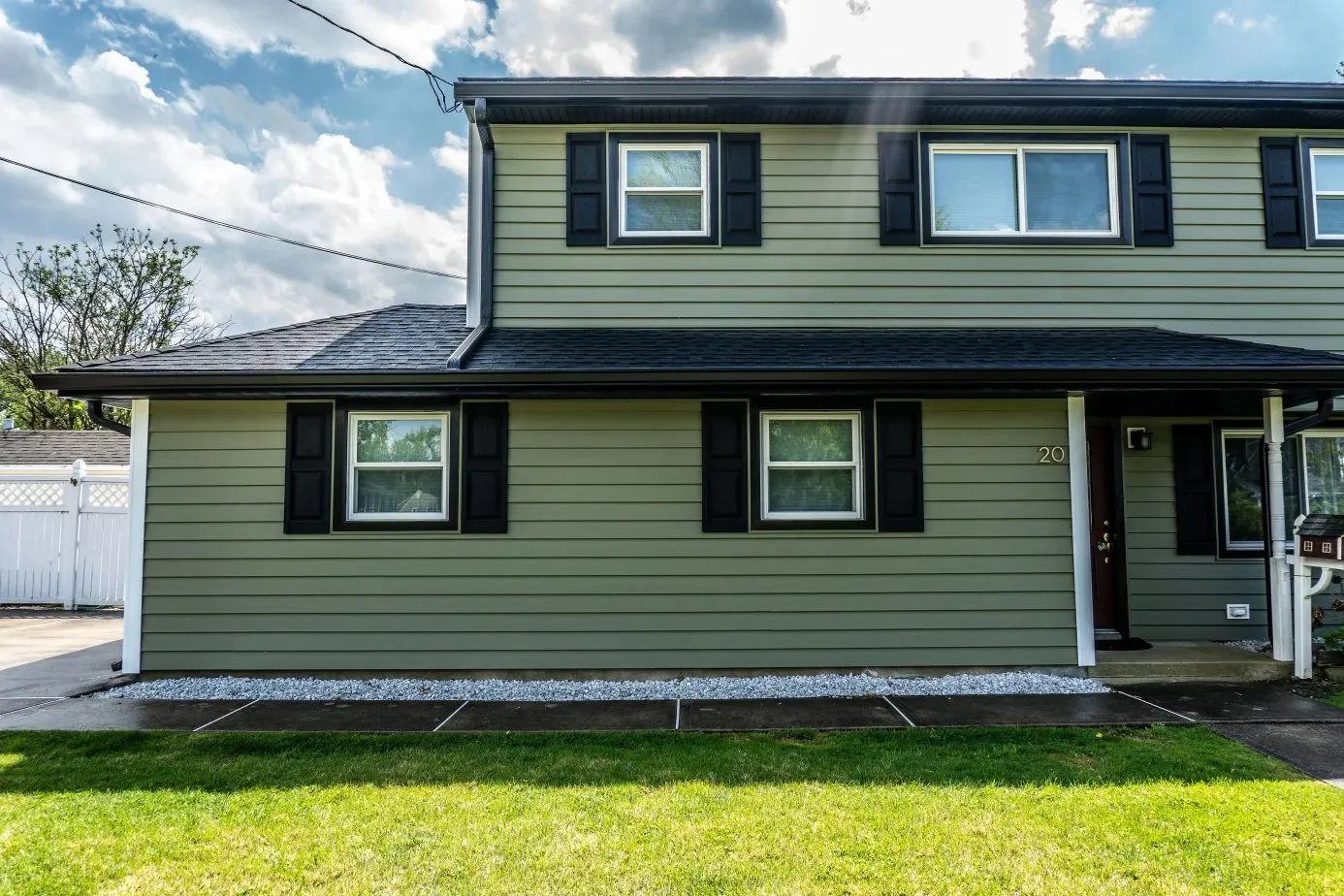
Triple-pane windows add a third pane of glass and a second sealed space, so they generally insulate better than double-pane, but they’re heavier and cost more. With current Homze pricing, a triple-pane window costs about 17% more than double-pane: $1,640 to $2,450 in Portland and $1,880 to $2,820 in Seattle, installed. Double-pane is the sensible pick when its ratings meet your goals and budget; triple-pane earns its price where you sit near large windows, live with street noise or plan to stay for years.
Either way, compare the exact windows you’re offered, not just the pane count.
What’s the Difference Between Double-Pane and Triple-Pane Windows?
Double-pane windows have two panes of glass separated by one sealed space. Triple-pane windows have three panes and two sealed spaces. The glass, coatings, gas fills, spacers and frame all work together as a system, and pane count is only one part of it.
The U.S. Department of Energy explains that insulated glazing uses separated panes to improve thermal performance. Its guidance on window types also lists frame material, Low-E coatings, gas fills, spacers and operating style as factors worth comparing.
When you review two estimates, ask for the manufacturer, product series, window style and exact glass package. “Premium double-pane” and “high-performance triple-pane” are descriptions, not specifications.
| Question | Double-pane | Triple-pane |
|---|---|---|
| How is it built? | Two glass panes, one sealed space | Three glass panes, two sealed spaces |
| How do I compare insulation? | Check the whole-window U-factor | Check whether its whole-window U-factor beats the double-pane option |
| Will it cut outside noise? | Ask for tested sound ratings for the exact configuration | Ask for the same ratings |
| How do I compare price? | Get a complete installed proposal | Get the upgrade difference with the same installation scope |
| What else matters? | Frame condition, installation, daylight, operation and warranty terms | The same, plus whether the glass package works with the window style |
Start With the Problems You Want to Solve
Before choosing glass, walk through your home and list the rooms that feel uncomfortable, and when: sitting beside the living-room window, during afternoon sun, or when street traffic picks up. Bring that list to your consultation and work through these questions:
- Which rooms are uncomfortable, and at what time of day?
- Are you replacing old single-pane windows or windows that are already insulated?
- Is the issue cold glass, a draft, outside noise, hard operation or damaged frames?
- Will you replace every window or work in phases?
Ask the installer which proposed improvements address each concern. If the answer covers only the glass, ask what the assessment found about the frame and the surrounding opening.
Compare Window Ratings Before Choosing a Pane Count
The National Fenestration Rating Council (NFRC) provides standardized product ratings, and its window label guide is a useful reference. Ask for ratings for the complete window, not a glass-only value.
- U-factor measures heat transfer. Lower is better insulation. Compare both options in the same window style and an equivalent configuration, and don’t accept a rating for a different product as proof of what your order will deliver.
- Solar heat gain coefficient (SHGC) describes how much solar heat passes through. Visible transmittance (VT) describes how much visible light passes through. Together they help you weigh sunlight and daylight alongside insulation. Ask whether the package suits a sunny room as well as a shaded one, and if brightness matters to you, compare VT values rather than assuming every glass option looks the same.
- ENERGY STAR certification should be confirmed for the exact product and configuration in your climate zone. A brand name or pane count is not a substitute for that check.
When Double-Pane Windows Are the Right Choice
Consider double-pane when the quoted window meets your documented performance goals and the price leaves room for a complete, well-specified installation. Ask your contractor to show you the ratings and explain the likely improvement over your existing windows. If a triple-pane alternative is available, compare its specifications and upgrade price before deciding.
This matters most when your budget has to cover more than the windows themselves: removal, necessary repairs, flashing, trim and finish work all belong in the proposal. Don’t pick a glass upgrade before you understand those costs. Double-pane shouldn’t be dismissed automatically, and a lower price shouldn’t end the comparison either.
When Triple-Pane Windows Deserve a Closer Look
Ask about triple-pane if you want better insulating performance or more comfort in rooms where you spend a lot of time close to the glass. A homeowner with a desk beside a large window may value the upgrade differently from someone replacing a small window in a rarely used room.
Get answers to three questions:
- How much does the whole-window rating improve?
- What is the installed upgrade price?
- Does the package work with the window styles and operating features you want?
If the improvement and the cost are clear, weigh the upgrade against your other project needs. If they aren’t, ask for a revised comparison before committing.
Will Triple-Pane Windows Make Your Home Quieter?
Don’t choose on pane count alone when noise is the main concern. Ask for sound transmission class (STC) and outdoor-indoor transmission class (OITC) ratings for the exact configuration, if available. Glass thickness, spacing and other construction details affect sound ratings, which is why you need product-specific test data rather than another brand’s results.
Describe the noise you want to reduce, whether traffic, aircraft or voices, and ask whether the quoted glass has relevant test data. Discuss other sound paths around the opening too. Be wary of any proposal that promises a silent room without explaining the limits.
What About Condensation and Drafts?
Condensation on the room side of the glass depends on indoor humidity and the glass surface temperature. Alside’s condensation guide explains why both matter. New glass is not a guarantee that condensation will never happen, so tell the contractor where and when you see moisture and ask them to separate the actual issue from a claim that every moisture problem needs new windows.
Note where you feel moving air as well. A glass comparison doesn’t explain every draft. Ask what the installation will do at the perimeter of each opening and whether existing conditions need extra work.
How Much More Does Triple-Pane Cost?
With current Homze pricing, a triple-pane window costs an estimated $1,640 to $2,450 in Portland and $1,880 to $2,820 in Seattle installed, against $1,400 to $2,100 in Portland and $1,610 to $2,420 in Seattle for double-pane. On a 10-window project that is $16,360 to $24,540 in Portland and $18,820 to $28,220 in Seattle for triple-pane, against $14,030 to $21,040 in Portland and $16,130 to $24,200 in Seattle for double-pane. These are estimates; your price is set in the written quote you get after a free in-home estimate.
When you compare contractors, ask for two proposals with the same quantities, sizes, styles, installation method, repairs, trim, disposal and finish work, so the glass package is the only difference. Then ask: what is the total installed difference, and what changes in the documented performance?
For broader budgeting, read our window replacement cost guide. To compare both options for your own windows, book a free in-home estimate on our Seattle window replacement page. Measurements and a written proposal confirm the details.
Don’t Assume a Guaranteed Payback Period
Energy savings are not the same thing as the upgrade price. Ask what assumptions about your existing windows, heating system, energy rates and household support any savings estimate you’re given. ENERGY STAR publishes its window savings methodology, including its modeled replacement assumptions, but a whole-home replacement estimate doesn’t establish the savings from choosing triple-pane over a specific new double-pane product. The federal tax credit for ENERGY STAR Most Efficient windows ended for windows installed after December 31, 2025, so it no longer narrows the gap. Comfort can still justify the choice even when a precise payback number isn’t available.
Installation Matters With Either Glass Package
Ask how each new window will connect to your home’s air and water-management layers. The Department of Energy identifies flashing as an important defense against water intrusion around window openings. Your proposal should explain the installation method, what happens if damaged material is found, who handles interior and exterior finishing, and how scope changes are documented and approved.
Alside Window Options Through Homze
Homze is a window replacement company serving the Seattle and Portland areas, not a lead marketplace. We install Alside windows, including ENERGY STAR certified options with durable vinyl frames, in double-pane and triple-pane glass. Alside’s own factory-trained installers do the installation, not subcontractors, and Homze manages the project from measurement to cleanup, so you have one team to call.
Alside offers multiple ClimaTech insulated glass packages, including triple-pane on select products. Availability and performance depend on the series, configuration and market, so ask us to identify the package available for your project rather than assuming every Alside window has the same specifications. Request the written warranty documents, including any registration requirements, exclusions and separate installation coverage, and review them alongside the proposal.
Questions to Ask Before You Decide
- What exact series, style and glass package does each option include?
- What are the whole-window U-factor, SHGC and VT ratings?
- Is the exact configuration ENERGY STAR certified for my climate zone?
- If noise matters, what sound-test data is available?
- What is the installed price difference for the same scope of work?
- What repairs, flashing, trim and finishing are included?
- What written product and installation warranty terms apply?
Keep both proposals together and mark anything left unanswered. To see both glass options priced for your own windows, book a free in-home estimate for a written quote, with no obligation.
Frequently Asked Questions
Are Triple-Pane Windows Worth It in Portland and Seattle?
They’re worth it when the better rating solves a real comfort or noise problem and the upgrade fits your budget. On a 10-window Homze project, triple-pane adds $2,330 to $3,500 in Portland and $2,690 to $4,020 in Seattle over double-pane. If Puget Sound Energy supplies your main heat, a low U-factor can also pay you back: PSE’s window rebate pays $100 per window for a U-factor of 0.22 or lower, against $50 for 0.23 to 0.30 when you’re replacing single-pane windows.
Are Triple-Pane Windows Heavier?
Yes. Pella notes that the extra pane can make a triple-pane window significantly heavier than a double-pane window of the same size, which matters most for large or upper-floor openings. Ask how the installer will handle the weight, and whether an operating sash will still be easy for you to open.
Do Triple-Pane Windows Stop Condensation?
Not on their own. Condensation on the room side forms when humid indoor air meets cold glass, and extra panes keep the inner glass warmer, but Alside’s condensation guide says controlling indoor humidity is the key. Alside also says some condensation is normal at the start of each heating season and after remodeling, until the house dries out.
What Is the R-Value of Double vs Triple Pane Windows?
Pella puts double-pane windows at roughly R-3 to R-5 and triple-pane at roughly R-6 to R-9, where higher means better insulation. Window labels in the U.S. use U-factor instead, where lower is better, so ask for the NFRC U-factor of the exact window you’re quoted.
Can Double-Pane Windows Be Energy Efficient?
Yes. Judge the whole-window ratings and certification of the specific product. “Double-pane” alone doesn’t prove or disprove energy performance.
Should Every Window Have the Same Glass Package?
Not necessarily. Ask whether different options make sense and are available for different rooms, and compare appearance, ratings, operation, warranty terms and total installed price before mixing packages.
Ready to See What Your Project Would Cost?
Book a free in-home estimate for a written quote. No pressure, no obligation.